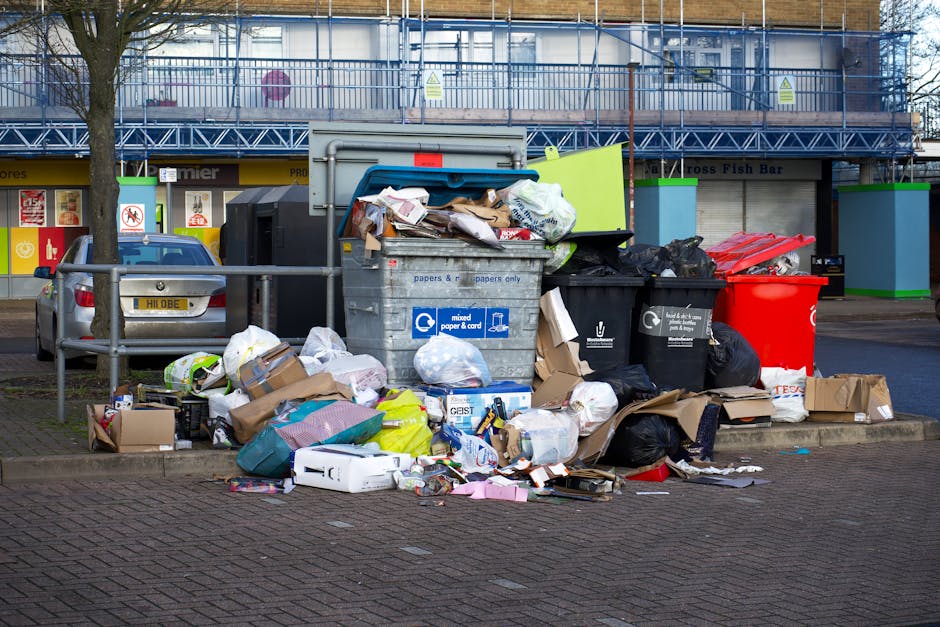
CR8 waste clearance guide for flats on Purley High Street
If you live in a flat on Purley High Street, waste clearance can feel oddly complicated for something that should be simple. Tight stairwells, limited parking, awkward lift access, neighbours coming and going, and that one bulky item that somehow blocks the whole hallway - it all adds up fast. This CR8 waste clearance guide for flats on Purley High Street breaks the process down in plain English, so you can clear space without creating extra stress.
Whether you are dealing with old furniture, a full flat declutter, end-of-tenancy rubbish, or a few awkward items that will not fit in a normal bin, the right approach saves time and reduces hassle. You will also get a better sense of what is safe, what is practical, and when it makes sense to use a professional service rather than trying to wrestle a sofa down two flights of stairs on your own. Let's face it, nobody wants that job on a wet Tuesday evening.
Table of Contents
- Why this kind of flat clearance matters
- How waste clearance for Purley High Street flats works
- Key benefits and practical advantages
- Who this is for and when it makes sense
- Step-by-step guidance
- Expert tips for better results
- Common mistakes to avoid
- Tools, resources and recommendations
- Law, compliance, standards, or best practice
- Options, methods, or comparison table
- Case study or real-world example
- Practical checklist
- Conclusion
- Frequently asked questions
Why CR8 waste clearance guide for flats on Purley High Street Matters
Flat clearance in CR8 is rarely just about removing rubbish. In a busy high street setting, the job has to work around shared entrances, neighbours, stairs, lift access, resident parking, and the general rhythm of day-to-day life. If you get it wrong, the clutter can linger for weeks, or you can end up with extra labour, delays, or items that are not accepted with the rest of the load.
Purley High Street also tends to suit a practical, tidy approach. Space is precious. Storage in flats is often limited, and even one extra mattress, broken wardrobe, or dismantled shelving unit can make a room feel smaller and more chaotic than it really is. A sensible clearance plan helps you reclaim the flat quickly without turning the hallway into a temporary furniture depot.
There is also the local logistics angle. Access matters. If collection access is tight, parking is limited, or lift use has to be coordinated with neighbours, the timing and method of clearance matter more than many people expect. In our experience, the best outcomes come from simple planning before the first item is moved, not after.
Expert summary: The fastest flat clearances are usually the ones that are planned in advance, sorted by item type, and matched to the building's access reality rather than ideal conditions.
If your clearance includes furniture, appliances, or mixed household waste, it is often useful to look at related services such as flat clearance, furniture disposal, or broader waste removal support. Those pages can help you match the service to the job instead of treating every clearance as the same thing. It is not the same thing, truth be told.
How CR8 waste clearance guide for flats on Purley High Street Works
The process is usually straightforward once you break it into stages. First, identify what needs removing. Then separate anything reusable, recyclable, restricted, or potentially hazardous. After that, think about access, timing, and the route items will take out of the building. That last part sounds small, but it is often where the headache starts.
For a flat on Purley High Street, the practical flow usually looks like this:
- Initial sort: Walk through the flat room by room and make a rough list of everything going.
- Item separation: Put furniture, appliances, bagged waste, cardboard, and anything special into different groups.
- Access check: Measure larger items and note narrow doors, stair turns, lift dimensions, and entrance constraints.
- Timing plan: Choose a time that works around residents, traffic, and loading access.
- Collection or clearance: Remove the items, keeping the route clear and the building protected where needed.
- Final sweep: Check cupboards, storage nooks, and balcony corners so nothing gets left behind by mistake.
That final sweep matters more than people think. The missing item is often the one tucked behind a door, under a bed, or in a top cupboard nobody opened for months. A slightly dusty umbrella stand, half a broken lamp, or a bag of random cables somehow always survives the first pass.
If the clearance involves heavier furniture, you may also want to consider the specific handling needs of large items through furniture clearance or mattress and sofa disposal. Those are the items most likely to cause strain, scuffs, or access problems if they are not moved carefully.
Key Benefits and Practical Advantages
A well-planned flat clearance is not just about removing mess. It can make daily life easier almost immediately. The room feels lighter. The flat is easier to clean. And suddenly, the whole place feels more manageable again. That emotional shift is real, even if it sounds a little dramatic on paper.
- More usable space: Clearing unused items opens up rooms, cupboards, and corridors.
- Less stress: One clear plan is calmer than several half-finished trips to the bin store.
- Safer movement: Fewer obstacles mean lower trip risk in shared areas.
- Better presentation: Useful for end-of-tenancy situations, sales viewings, or simply feeling at home again.
- Improved recycling: Sorting items correctly can keep reusable or recyclable materials out of general waste.
- Less lifting strain: Professional support can reduce the chance of injury when heavy or awkward items are involved.
There is also a quieter benefit: it gives you a clean break. When a flat is full of leftover furniture, broken appliances, and odd bits of accumulated clutter, decisions get delayed. Clearing it properly often makes the next decision easier too, whether that is redecorating, renting, selling, or just breathing a bit easier.
If your items are mixed and you are unsure what belongs where, a service focused on recycling and sustainability can help reduce avoidable waste. And if one appliance is slowing everything down, fridge and appliance removal is worth considering rather than trying to improvise with bulky white goods.
Who This Is For and When It Makes Sense
This kind of clearance is useful for a wide range of people, not just landlords or tenants at the end of a lease. Flats on or near Purley High Street often have a mix of long-term residents, short-term lets, shared homes, and older properties with awkward storage. That makes waste clearance relevant in more everyday situations than people expect.
It makes sense if you are:
- moving out of a flat and need to leave it empty
- moving in and want to remove old items first
- dealing with inherited belongings from a smaller property
- refreshing a flat after years of accumulated clutter
- clearing a rental property between occupants
- disposing of furniture that is too large for normal household collection
- handling a small renovation or redecorating project
It can also be the right move if you are working with a tight deadline. End-of-tenancy timelines, viewings, builders coming in, or family circumstances can all mean you need things removed quickly and neatly. In those moments, a tidy process matters more than a perfect one.
For landlords or managing agents, the value is often consistency. A flat that is cleared properly is easier to inspect, photograph, clean, and prepare for the next occupier. For residents, the benefit is simply less friction. No drama, no endless dragging things to the kerb, no wondering whether the local collection crew will accept that old wardrobe frame. If the job is bigger than it looks, a wider home clearance or house clearance approach may be the better fit, even when the property is a flat.
Step-by-Step Guidance
Here is a practical way to handle flat waste clearance on Purley High Street without making it harder than it needs to be.
1. Start with a room-by-room sort
Do not begin with the biggest item. Start small. Kitchen cupboards, under-bed storage, hallway clutter, and spare-room corners are usually where the "hidden extra" waste lives. Once those are sorted, the larger items become easier to handle because the flat already feels less crowded.
2. Separate the load
Split items into broad groups: keep, donate, recycle, dispose, and check separately. That last group is the one people forget. It covers things you are not quite sure about yet - electronics, old paperwork, batteries, chemicals, paint, and other items that may need special handling.
3. Measure the difficult pieces
Large wardrobes, beds, sofas, and appliances can catch on stair corners, bannisters, or doors. A quick measurement can save a surprising amount of trouble. If a cupboard door has to come off, or a sofa has to be taken apart, it is better to know before the collection team arrives.
4. Protect access routes
In flats, the path matters as much as the pile. Clear hallways, move loose rugs, hold doors open where allowed, and protect walls or floors if there is a risk of scuffs. A few minutes of prep can save a lot of apologising later.
5. Make sure restricted items are identified early
Some items are not suitable for standard clearance and may need separate disposal. This is especially relevant for anything classed as hazardous, sharp, leaking, or contaminated. If in doubt, flag it early rather than slipping it into a general pile and hoping for the best. Hope is not a strategy, annoyingly.
6. Arrange the collection window
For Purley High Street flats, try to choose a practical slot that avoids peak disruption. Early mornings can be useful if access is cleaner, but they may not suit everyone in a shared building. Midday can be more manageable, though traffic and parking may be busier. A little flexibility goes a long way.
7. Do one final walkthrough
Before everything leaves, check wardrobes, bathroom cabinets, loft-style storage cupboards, and balconies. People often remember the obvious bits and forget the tucked-away ones. That forgotten bag of miscellaneous cables? Yes, it is probably still there.
If you want to compare a clearance approach with a skip-based approach, the page on what can go in a skip can be a helpful reality check. Skip hire and man-and-van style clearance both have their place, but they suit different situations. The wrong choice usually shows up later as wasted space, extra lifting, or unnecessary cost.
Expert Tips for Better Results
The difference between an average clearance and a smooth one is usually in the details. Not dramatic details. Small ones. The kind people skip because they seem too minor to matter, and then they absolutely matter.
- Label bags and piles clearly. Even rough labels like "keep," "paper," or "broken furniture" save time.
- Keep pathways open. Once clutter starts moving, do not let fresh clutter creep into the route.
- Think vertically. Top shelves, high cupboards, and stacked storage often hide forgotten items.
- Group awkward items together. It is much easier to move several similar heavy pieces in one planned pass.
- Keep paperwork separate. Personal documents should not be left mixed with general waste. If you have confidential files, consider confidential shredding rather than throwing paperwork into the nearest bag.
- Check appliance condition first. A leaking fridge or damaged freezer needs more care than a standard old table.
- Use the building's quiet times sensibly. Noise from dragging, banging, or loading can be surprisingly noticeable in a block of flats.
A small but useful trick: take a few phone photos before you start. Not because you need a documentary record of your hallway, but because it helps you remember what was there if the job gets split across more than one trip. A surprisingly practical habit.
If the job feels safety-sensitive, it is sensible to review a provider's health and safety policy and insurance and safety information. That does not mean getting lost in paperwork. It simply means checking that the basics are being taken seriously.
Common Mistakes to Avoid
Most clearance problems are predictable. That is the good news. The bad news is they are also easy to repeat when you are under pressure.
- Underestimating volume: A flat can look nearly empty until bags, small furniture, and loose items are gathered together.
- Leaving sorting too late: If you sort only after everything is already in the hallway, the process becomes slower and messier.
- Forgetting access restrictions: A sofa that fits in the room may still fail at the stair turn.
- Mixing general waste with special items: Batteries, chemicals, and electricals should not be treated like ordinary rubbish.
- Ignoring neighbour impact: Shared entrances, noise, and loading space matter in a block of flats.
- Assuming everything is recyclable: It is better to check than guess.
- Not asking about exclusions: Some items may need separate disposal, so clarify early.
One very common mistake is trying to clear a whole flat in one emotional burst late at night. It feels efficient for about fifteen minutes, then everything becomes a pile of half-filled bags and old hangers. Better to pace it properly. Honestly, your future self will thank you.
Tools, Resources and Recommendations
You do not need a van full of gear to do this well, but a few basic tools make a noticeable difference.
- Heavy-duty bin bags: Useful for mixed waste, soft items, and smaller loose clutter.
- Gloves: Handy for handling dusty, sharp, or awkward materials.
- Measuring tape: Essential for large furniture and tight access points.
- Trolley or sack truck: Very useful if there are heavier items and building access allows it.
- Marker pen and tape: For labelling what stays, what goes, and what needs checking.
- Blanket or floor protection: A simple safeguard for narrow corridors and lift interiors.
For larger multi-item clearances, it also helps to think in terms of service categories. A flat clearance may be enough for a standard declutter, but if the job includes a lot of heavy furniture, appliance removal, or mixed bulky waste, it may be worth reviewing the related service pages for the best fit. The aim is not to use more service than you need. It is to use the right one.
If your situation includes appliances, furniture, or mixed household items, these pages can also help shape your decision: business waste removal for commercial spaces, or book online if you are ready to move forward without a long back-and-forth. For general company reassurance, the about us page can help you understand the organisation behind the service.
Law, Compliance, Standards, or Best Practice
Waste clearance is not just a practical task; it also carries a duty of care. In the UK, waste should be handled responsibly, and people arranging clearance should be careful not to hand over items to anyone who cannot manage them properly. That does not mean you need to become a compliance expert. It means choosing a service and process that looks tidy, traceable, and sensible.
For flats on Purley High Street, best practice usually means:
- separating hazardous or special items from ordinary waste
- keeping access routes safe and unobstructed
- avoiding damage to common areas
- ensuring items are removed by a provider that treats waste responsibly
- being transparent about any items that may require separate handling
There is also a simple practical standard to keep in mind: if an item feels unsafe to lift, too dirty to handle casually, or too awkward to move through the building without damage, stop and reassess. That is not being overcautious. That is being sensible.
Where recycling is possible, it is usually better to separate materials early rather than throwing everything into one mixed pile. And where there is anything potentially hazardous, a dedicated approach is the safer option. A good clearance service should make this easier, not more confusing. If you want to understand how a provider approaches responsibility, the pages on recycling and sustainability and hazardous waste disposal are especially relevant.
Options, Methods, or Comparison Table
There are a few common ways to deal with waste clearance in a flat. The best option depends on volume, access, item type, and how much effort you want to put in yourself.
| Method | Best for | Pros | Trade-offs |
|---|---|---|---|
| Self-clearance | Small loads, light items, simple access | Full control, flexible timing, can be cheap if you already have transport | Time-consuming, physically demanding, tricky for bulky items |
| Skip hire | Large volumes and consistent waste types | Convenient if there is space and the load is predictable | Needs space, lifting effort, and careful sorting; not ideal for every flat |
| Professional flat clearance | Bulky furniture, mixed waste, awkward access | Fast, less lifting, more practical for shared buildings | Usually chosen for convenience rather than doing it yourself |
For a flat on Purley High Street, professional clearance is often the most practical route when stairs, time pressure, or bulky items are involved. Self-clearance can still work, of course. But once you factor in parking, lifting, and the number of trips, it becomes clear why people often decide not to spend their weekend shuttling bags through a busy street. Sensible, really.
If you are unsure whether a skip would suit your situation, the what can go in a skip guide can help you compare what is easy, what is restricted, and what becomes awkward in a flat-based clearance. For many Purley High Street properties, the access question alone changes the answer.
Case Study or Real-World Example
Picture a two-bedroom flat above a shop on Purley High Street. The occupier is moving out, the tenancy ends soon, and the place still contains an old sofa, a broken bedside table, two storage units, several bin bags of mixed clutter, and a fridge that has been sitting unplugged for a while. Nothing dramatic. Just enough to make the flat feel busy and the move stressful.
The first step is a quick sort. Papers go aside. Reusable household bits are separated. The old sofa and storage units are identified as bulky items. The fridge is flagged for separate handling. Then the route is checked: narrow hallway, one awkward turn, and a shared entrance that needs to stay clear. No surprise there. This is exactly the kind of building where planning saves energy.
By grouping the items properly, the load can be handled in a single organised visit rather than several messy attempts. The hallway stays clear, the flat is emptied faster, and the tenant can focus on handing back the keys instead of chasing random leftover items. The fridge does not need a last-minute scramble. The bulky furniture does not get wedged halfway down the stairs. Everyone breathes easier.
That is the real value of a good flat clearance process: not just speed, but calm. A slightly boring process, if done well, is usually the best kind.
Practical Checklist
Use this checklist before your clearance begins.
- Walk through every room and identify all items to remove
- Separate keep, recycle, donate, dispose, and check items
- Measure large furniture and appliances
- Check hallway, lift, stair, and entrance access
- Protect floors or walls if needed
- Put paperwork and confidential items aside
- Flag any hazardous or restricted waste early
- Decide whether a simple clearance, furniture disposal, or full waste removal approach is best
- Confirm the collection timing and any access instructions
- Do one final room-by-room sweep before the team leaves
If you can tick all of those off, you are already well ahead of the usual last-minute panic. And if you cannot, that is fine too. It just means the job needs a slightly more careful plan.
For service-specific planning, you may also find these useful: loft clearance if storage overflow is part of the problem, garage clearance if you are also clearing overflow items off-site, and builders waste clearance if the flat includes renovation debris.
Get a free quote today and see how much you can save.
Conclusion
Clearing waste from a flat on Purley High Street is rarely difficult because of one big issue. More often, it is the combination of small ones: access, timing, bulky furniture, shared spaces, and the simple fact that flats are less forgiving than houses when clutter builds up. With a clear plan, the process becomes much easier.
That is the real takeaway. Sort first, measure what matters, separate the awkward items, and choose a method that fits the building rather than forcing the building to fit the job. Whether you are clearing after a move, a refurbishment, or just a long stretch of everyday accumulation, the right approach gives you back space and headroom. Nice to have, isn't it?
And once the flat feels clear again, you notice the difference straight away: quieter rooms, easier cleaning, and that small but satisfying sense that life is back in order.
Frequently Asked Questions
What is the best way to clear a flat on Purley High Street?
The best way is usually to sort the items first, check access and any restrictions, and then choose between self-clearance, skip hire, or a professional flat clearance. For most busy flats, a managed clearance is the simplest option.
Do I need to separate furniture from general waste?
Yes, it helps a lot. Furniture, appliances, bagged waste, and special items should be grouped separately so they can be handled safely and efficiently.
Can bulky items be removed from a flat with narrow stairs?
Often yes, but the item needs to be measured and the route checked first. Some furniture may need to be dismantled before it can move safely through the building.
What items should not go in a normal flat clearance load?
Items that may need special handling include hazardous materials, leaking containers, some chemicals, batteries, and certain electricals. If you are unsure, keep them separate and ask for guidance.
Is a skip always better than a clearance service?
No. A skip can be useful for some projects, but flats on a high street often have access and loading limitations. A clearance service is often better when space or lifting is the main issue.
How long does a flat clearance usually take?
That depends on volume, access, and item type. A small flat with light waste can be quick, while a larger flat with bulky furniture and tight access can take much longer.
Can I leave items in the communal hallway first?
Usually it is better not to. Shared hallways should be kept clear for safety and neighbour access, and items left there can create problems or complaints.
What happens to recyclable items?
Where possible, recyclable items should be separated and directed into the right waste stream rather than mixed with general rubbish. That is better for both practicality and sustainability.
Do I need to prepare the flat before the clearance team arrives?
A little preparation helps. Clear access paths, identify the items going, and set aside anything you are keeping or checking. You do not need to do all the heavy lifting yourself.
What if I have confidential documents mixed in with the clutter?
Keep those separate and do not leave them in general waste bags. Confidential paperwork is better handled through a shredding service or by secure destruction.
Is flat clearance useful for end-of-tenancy moves?
Yes, very much so. It helps you leave the property empty, makes cleaning easier, and reduces the chance of forgotten items slowing down handover.
How do I choose the right service for my flat?
Think about item type, access, volume, and timing. If you have bulky furniture, awkward stairs, or a mixed load, a flat clearance or broader waste removal service is often the most practical choice.
For more about the company behind these services, you can also explore the about us page or check the contact us page if you are ready to ask about your own clearance. If you are reviewing service terms or payment details before booking, the terms and conditions and payment and security pages can be helpful as well.