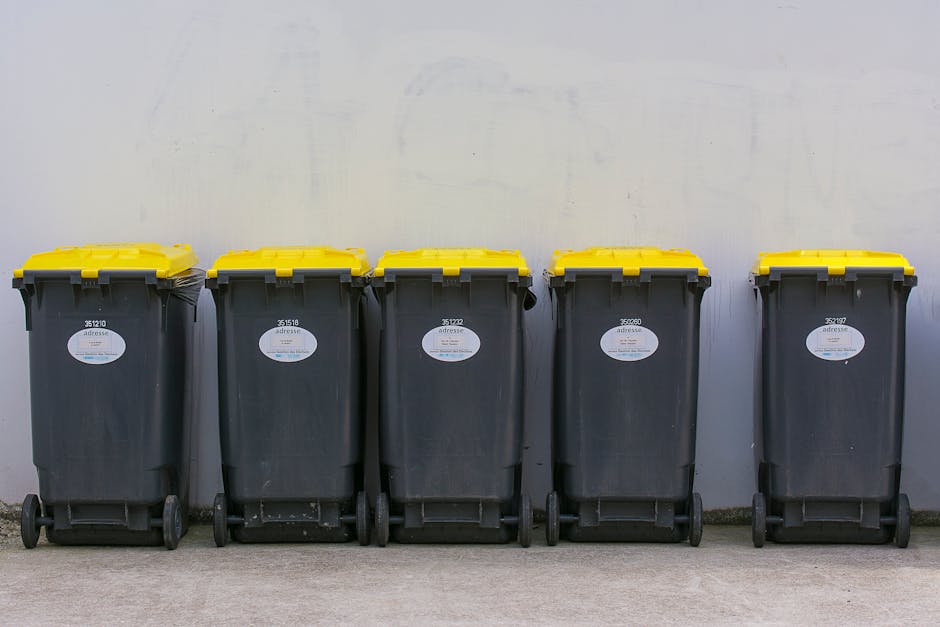
Commercial Waste in Purley for practical business collections and responsible disposal
Commercial waste in Purley needs a service that is organised, adaptable and clear about what happens to different materials. Our approach is built around regular business collections, one-off clearances and sensible handling of mixed loads, with a focus on keeping work straightforward for offices, shops, hospitality venues and other local premises. The aim is to make waste removal easy to arrange, easy to understand and suitable for the type of rubbish a business produces.
We handle a range of commercial waste streams, from everyday office rubbish and packaging to bulky items, fixtures and select specialist loads where the material is suitable for collection. If your waste needs separating, loading or removing from an accessible business site, we can usually shape the service around the job rather than asking you to fit a rigid pattern. For a clear starting point, you can view pricing and quote information or simply request a quotation in plain terms.
Businesses often want a service that is neat, respectful and efficient without making assumptions about how their site works. That is why our commercial waste removal is planned around the practical details that matter: collection size, waste type, access and the level of sorting required. Commercial waste should leave the premises in a controlled way, with the load dealt with properly and the process kept understandable from the outset. Clear communication helps keep the job on track.
Business waste collections arranged around your working routine
Commercial waste services work best when the collection pattern reflects how the business operates. Some premises need a regular clear-out of general rubbish, while others need an occasional bulk collection after an office move, refit or storage tidy-up. We can support different collection needs without turning the process into unnecessary administration, and we always aim to keep the service focused on the waste itself rather than on extra steps. If you need a place to start, read more about business waste removal.
There are many reasons a commercial site may need waste moved quickly or methodically. A stockroom may need packaging taken away, a workspace may need old office furniture removed, or a premises may have accumulated mixed rubbish that no longer fits into ordinary internal bins. In each case, the key question is what needs to go, how much of it there is, and whether any items need special handling before loading. For a straightforward next step, ask for a quotation in your own words.
Common commercial waste jobs can include:
- office rubbish and bagged general waste
- cardboard, packaging and mixed dry recyclables
- desks, chairs, shelving and other furnishings
- shop and storage clearance waste
- light refit or strip-out debris where suitable
Office waste removal for desks, paper, equipment and clear floor space
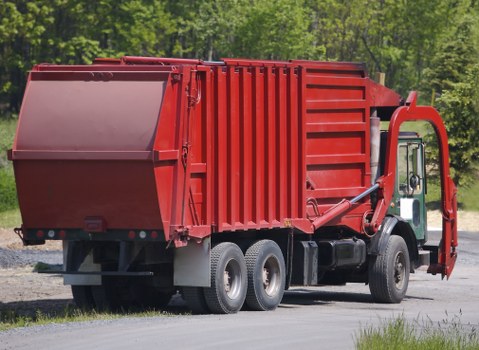
Office waste removal is often about more than taking away paper. Workspaces accumulate broken chairs, obsolete monitors, filing material, packaging, old storage units and general clutter that affects layout and day-to-day use. We can collect a mix of office waste and keep the service centred on what actually needs clearing, whether the goal is tidying a single room or emptying several areas as part of a broader change. If the load includes confidential material, see confidential shredding options for a more specific approach.
Where offices generate recurring waste, it helps to think in terms of material type rather than just bin capacity. Paper, cardboard, plastics, furniture and electronic items may need different handling, and a clear sort before collection can make the job cleaner and more efficient. That does not mean every item must be separated in advance, but it does mean the collection can be planned around what is present, what can be reused or recycled, and what needs disposal. Well-prepared office waste is easier to move safely.
Office collections are also useful when a business is reconfiguring its space and no longer wants items left in corners or storage rooms. By removing surplus items in one visit, the workspace can be reset without leaving a trail of unwanted materials behind. That matters whether the site is a single office, a shared suite or part of a larger commercial building. The service is practical, direct and intended to fit around ordinary business activity rather than interrupt it unnecessarily.
Clearance support for furniture, fixtures and bulky commercial items
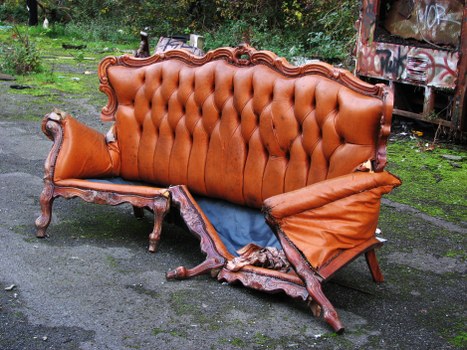
Commercial waste often includes items that are too bulky for routine disposal routes, especially when a business is replacing furniture or clearing a room for another use. Chairs, desks, filing cabinets, reception pieces and storage units can all become part of a collection when they are no longer needed. If those items are in usable condition or simply need moving out, they can be handled as part of a wider clearance. Useful related pages include furniture clearance and furniture disposal.
Bulky waste needs a sensible plan because weight, access and breakability can all matter. A solid board desk is not the same as a light storage shelf, and upholstered seating brings different handling considerations again. Our service is designed to move these items out of the premises with minimal fuss and to do so in a way that suits the building layout. If a room contains a mixed load, we can remove the furniture alongside other commercial waste rather than making you split the job into separate visits. That keeps the clearance more efficient.
For business customers, bulky item removal is often about restoring usable floor space, but it is also about avoiding awkward stockpiles that make it harder to manage the rest of the site. Items can be loaded from offices, rear rooms, upper floors or storage areas where access allows, and the service can be adapted for a single object or a fuller clear-out. The important point is that the collection remains practical and proportionate to the amount of material involved.
Warehouses, garages and storage areas with mixed waste and unwanted stock

Some commercial waste jobs are less about standard office rubbish and more about clearing functional storage areas. Warehouses, back-of-house rooms, garages and stock cupboards can gather broken packaging, redundant fittings, offcuts, redundant boxes and miscellaneous waste over time. These spaces often need a service that can handle mixed material without overcomplicating the process. If the job involves a storage-heavy area, garage clearance and loft clearance pages can be useful starting points for the type of work involved.
A mixed storage clear-out can involve more than simply lifting items away. There may be reusable stock to separate from waste, bulky objects to move first, and loose rubbish that needs bagging before loading. The collection should be planned with the contents in mind so that the work is orderly and the premises are left ready for its next use. We keep the emphasis on the actual contents of the space, which helps prevent unnecessary handling and reduces the chance of avoidable delay.
If you manage a commercial site, the most helpful preparation is usually a quick look at what needs to stay, what should go and whether any access constraints need to be mentioned. That information helps the collection proceed without confusion. The rest is a matter of loading and removal. When the space has been packed with mixed items for some time, a single clearance can make it easier to regain control of the area and keep future waste under better management.
Appliance, fridge and other hard-to-handle waste from business premises
Commercial waste does not always consist of loose rubbish or furniture. Businesses sometimes need appliances and awkward items removed from kitchens, break rooms, stock areas or service spaces. Fridges, small appliances and similar objects need careful handling because they are heavier, more rigid and often less convenient to move than bagged waste. For related item types, see fridge and appliance removal and, where the item type fits, mattress and sofa disposal.
These collections are useful when equipment has reached the end of its working life or when a business is replacing fixtures as part of a change in use. The service can include the removal of single items or several objects at once, provided the material is suitable for collection. Because appliances can vary in size and weight, it helps to identify them clearly before the job so the load can be handled in a safe and orderly way. A simple description is usually enough to start the conversation.
Businesses sometimes leave awkward items in place because moving them feels more trouble than it is worth. A structured collection solves that problem by turning a difficult disposal task into a practical load-out. It also helps prevent clutter from building up around back doors, storage rooms or break areas. With a proper collection plan, the item leaves the site and the space becomes usable again without needing a separate project to address it.
About Purley
Purley is a district in the London Borough of Croydon, positioned to the south of central Croydon and forming part of the wider suburban belt between the capital and the Surrey fringe. The area developed significantly with the arrival of the railway in the nineteenth century, and that transport link helped shape its later growth as a residential suburb. Purley Way lies nearby as a major retail and traffic corridor, while Purley itself is better known for its local centre, residential streets and commuter connections. The district includes a mix of housing styles, from interwar development to later detached and semi-detached homes, reflecting successive periods of suburban expansion. Its town centre sits around the railway station and the main roads that connect the area to neighbouring parts of Croydon, Kenley and Coulsdon. Green space is an important feature of the wider locality, with access to parks, open land and the North Downs beyond the urban edge. The district also has civic and cultural landmarks associated with its growth as a commuter settlement, including local churches, schools and long-established shopping parades that serve the surrounding neighbourhoods. While Purley is part of a larger borough, it retains a recognisable identity of its own through its station, road network and the pattern of development around Brighton Road and the adjoining streets. The result is a place where suburban living, transport access and local commerce sit alongside one another in a compact but varied urban setting.
Recycling, sorting and environmentally careful commercial disposal

Responsible commercial waste removal depends on knowing what can be separated and what should be disposed of as general residual waste. Cardboard, paper, some plastics, metal items and certain furnishings may be suitable for sorting before disposal, depending on their condition and composition. That does not mean every collection has to be broken down in advance; it means the service should take account of what is present and handle it in a sensible order. Read more about recycling and sustainability if you want to see how that approach is described in broader terms.
For businesses, careful sorting is not just about good practice; it is also about preventing recyclable material from being mixed in unnecessarily with ordinary rubbish. When a collection includes a varied load, the work can be planned so that recoverable items are identified before disposal wherever practical. That is especially useful on clearances involving furniture, packaging, office equipment and mixed back-room waste. The service is therefore as much about judgement as it is about lifting and loading. The aim is a neat result with a sensible disposal route for each type of material.
If your premises generate a repeating pattern of waste, it can help to keep a simple note of which items recur most often. That makes future collections easier to describe and helps avoid the assumption that everything belongs in one category. The clearer the picture, the more suitable the removal plan can be. Businesses that want a broader overview can also explore waste removal services that fit different material types and site layouts.
How quotations are shaped for commercial waste jobs
Commercial waste quotations are usually based on the type of material, the amount to be removed, the ease of access and whether the load contains bulky or awkward items. A large volume of light packaging is different from a smaller number of heavy desks or appliances, so the quote needs to reflect what is actually there rather than relying on a rough label. If you want to compare the factors involved, our pricing and quotes page is a practical place to start.
When asking for a quotation, it helps to describe the main items, the approximate amount and any access points that matter, such as upper floors, narrow corridors or shared loading areas. A clear description makes it easier to match the collection to the job. If the material includes confidential paper, electrical items or mixed business rubbish, that can be mentioned at the same time so the removal plan is appropriate from the outset. A well-described load usually leads to a better-fitting quote.
Commercial waste work is often easiest when the customer keeps the request simple and specific. You do not need a long explanation; you need a reliable description of the items, the site and the outcome you want. From there, the collection can be arranged around the practicalities of removal. If you are ready to move on, request a quotation and tell us what needs clearing.
Commercial waste clearance for small premises, larger sites and one-off jobs

Commercial waste removal can support a wide range of business settings, from smaller premises with occasional waste build-up to larger sites that need a structured clearance after refurbishment or reorganisation. The work may include ordinary bagged rubbish, old furnishings, mixed back-room items or a combination of all three. In each case, the service is designed to keep the job manageable and to remove unwanted material without turning the process into something unnecessarily complicated.
Some customers want a one-off visit to clear a specific problem area; others need an adaptable service that can be repeated when waste begins to accumulate again. Both approaches are valid, and the right choice depends on how the premises are used. The important thing is that the collection matches the actual demand. If the waste is concentrated in a single room, the job can focus there. If it is spread across several areas, the clearance can be organised around the main points of accumulation. You can book online if you already know the job needs arranging.
Whatever the format, the service should leave the business in a better position to manage its space, its storage and its routine disposal. That is the value of a practical commercial waste collection: it reduces clutter, removes unwanted material and gives the premises a clearer starting point for day-to-day work. When the waste is dealt with properly, the space becomes easier to use.