Recycling and Sustainability for Commercial Waste Purley
Commercial Waste Purley businesses are increasingly expected to adopt an eco-conscious approach to rubbish handling. Our sustainable rubbish area strategy emphasises sorting at source, reuse and minimising landfill, helping firms across the Purley area meet environmental obligations while reducing costs.
Purley commercial waste collections are designed to support separation of dry recycling, food and general waste so businesses can hit ambitious diversion targets. This page explains targets, local transfer stations, charity partnerships and a low-carbon fleet designed for the eco-friendly waste disposal area.
Why sustainable commercial rubbish matters locally
Small and large businesses in Purley influence neighbourhood waste performance. A coordinated, sustainable approach helps the whole borough reach higher recycling percentages, reduce emissions and support circular economy initiatives.
Commercial waste in Purley should be viewed as a resource: paper, cardboard, metals, glass and plastics can be remanufactured; food waste can be captured for anaerobic digestion; and reusable items can be diverted to community benefit.
Waste separation and borough practices
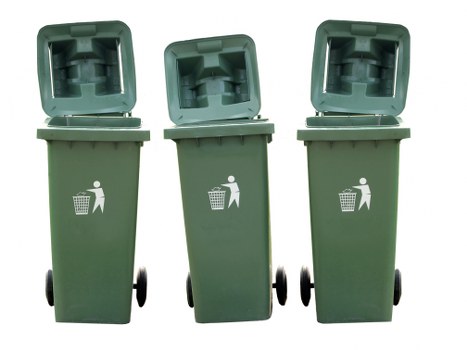
The local boroughs’ approach to waste separation encourages clear streams for recycling. Common separation expectations for businesses include:
- Paper and cardboard — baled or boxed loose paper.
- Mixed dry recycling — cans, clean plastic containers and glass.
- Food and organic waste — separate bins for food scraps and food-soiled paper.
- General residual waste — minimised through reuse and recycling.
Recycling percentage target for the eco-friendly waste disposal area
We’ve set a clear target for commercial recycling across Purley: a
65% recycling rate for commercial waste by 2030. This target is ambitious but achievable through better segregation, routine audits and partnerships. Achieving 65% will require businesses to adopt consistent sorting practices, invest in on-site containers and embrace reuse pathways. Progress will be monitored through regular reporting and collaborative programmes with local transfer facilities and waste partners.
Local transfer stations and processing
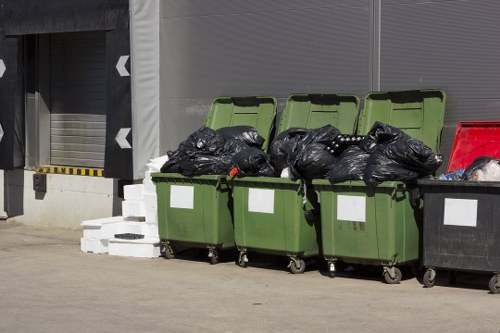
Purley benefits from transfer and processing sites in the wider Croydon area and neighbouring boroughs that handle commercial loads efficiently. Local transfer stations provide a key link between the point of collection and recycling or energy recovery plants. These facilities enable consolidated loads, lower transport miles and higher-quality recycling streams when materials are well separated at source.
Partnerships with charities and reuse networks
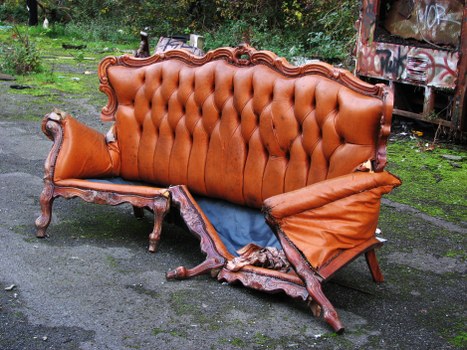
Strong links with charities are central to a sustainable rubbish area. We prioritise donation and reuse before recycling. Partnerships with local and national charity organisations mean usable furniture, office equipment and textiles are redeployed rather than shredded or landfilled. Working together with social enterprises and reuse partners creates local jobs and diverts significant tonnage from disposal.
Practical steps for businesses in Purley
To support the Purley commercial waste transition, businesses can:
- Conduct a waste audit to identify recyclable streams and potential reuse items.
- Introduce clear signage and training so staff separate waste correctly.
- Reduce packaging through supplier engagement.
- Partner with reuse charities to donate items and reduce disposal volumes.
Low-carbon vans and reduced transport emissions
Fleet decarbonisation is a cornerstone of the sustainable rubbish area for commercial waste. We operate a mix of electric and ultra-low-emission vans for collections, backed by route optimisation to cut miles and emissions. These low-carbon vans reduce local air pollution and lower the carbon footprint of commercial rubbish services, aligning with borough carbon reduction plans. Upgrading to electric vehicles also signals a commitment to long-term sustainability for Purley businesses and residents alike.
Measuring success and next steps
Tracking progress is essential. We will measure tonnages diverted, contamination rates, charity re-use volumes and fleet emissions reductions. Regular reviews will refine collection frequencies, container types and partnership opportunities. By working together — councils, businesses, transfer stations and charities — the eco-friendly waste disposal area in Purley can achieve resilient, measurable outcomes that support the circular economy and make Purley a leading example of sustainable commercial waste management.
